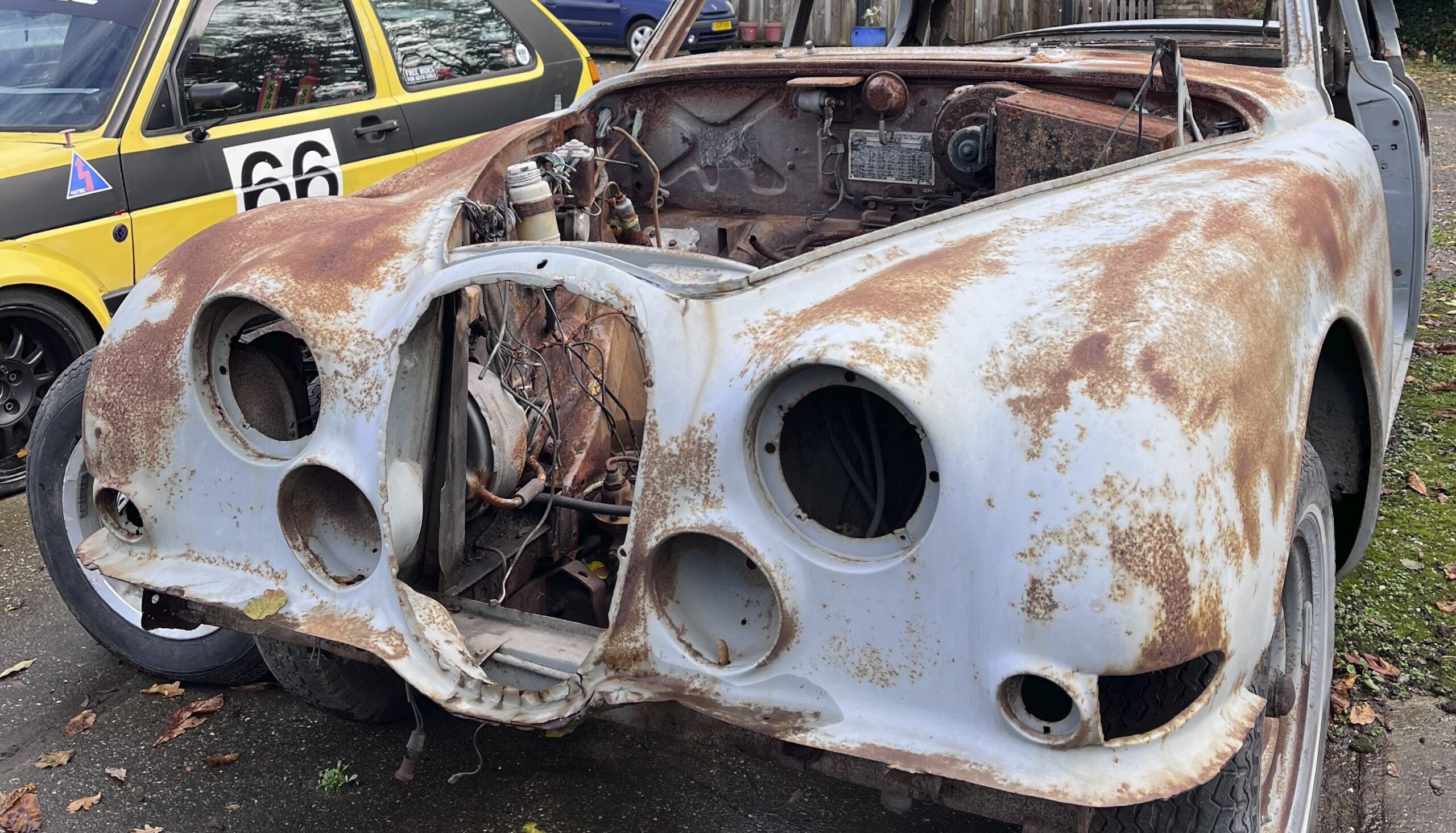
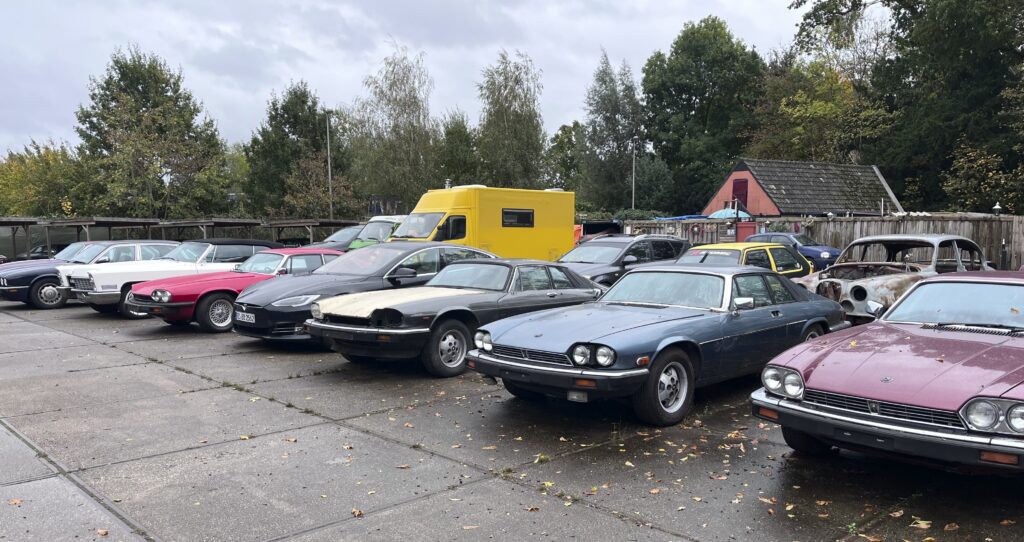
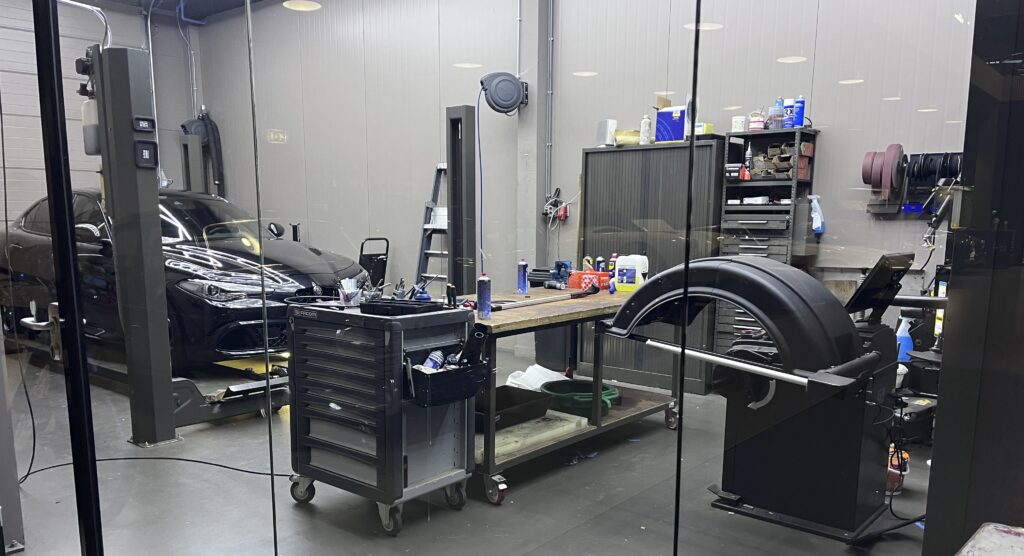
On the same day, I visited Srdjan Jovović‘s company CRS, Classics Restoration Service in Vreeland. Quite a contrast to the clean and tidy workshop I saw in the morning: The outside space was full of wrecks – lots of XJS’s and a rusty empty 1960’s S-Type shell.
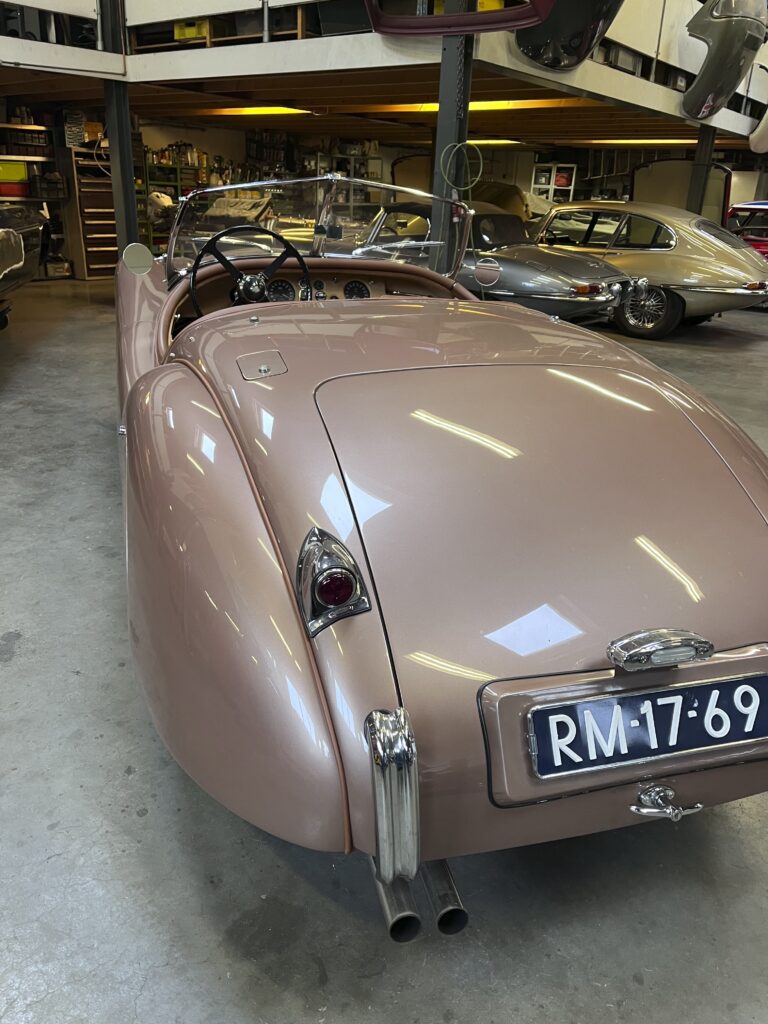
No sign at the door, I just guessed and it was open. A shiny XK140 OTS greeted me, two electric E-Type in the back, an electric XJS next door and an electric Landrover. Srdjan is an electrical engineer by education but has been restoring Classic cars for passion and profession in the past decades. He scaled down from 10 to 2 people as he still loves to work on the cars himself and hates the administrative overhead that comes with a larger company.
We clicked well, and Srdjan shared his experience with the electrifications he has done so far. There is still a lot of experimenting going on: Which BMS to use, which is the best battery module, how well does everything work in a car that is used everyday, at minus 15 and plus 40 degrees Celsius?
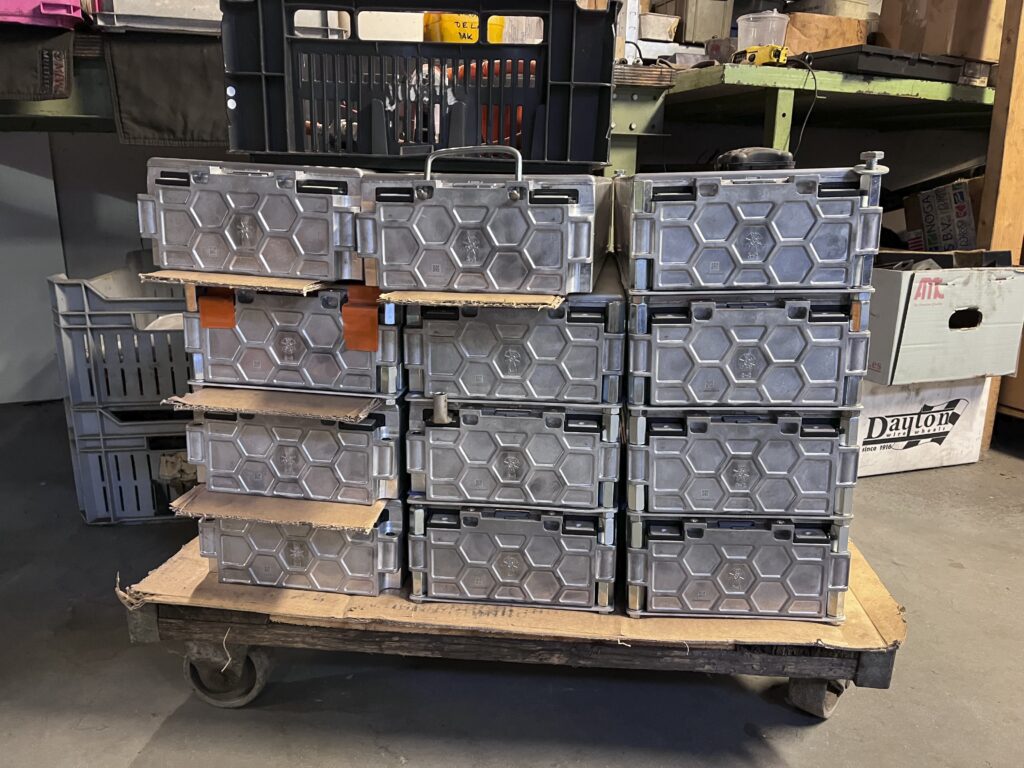
After lots of experimenting he settled on LG batteries that VW uses in their ID models, also produced by CATL in China, but he gets them from a company in Hungary. These modules have 6.85 kWh each, are much smaller and easier to fit into a classic car‘s engine bay. He can fit 4 of them even underneath the floor of the Mk2 between the structural elements.
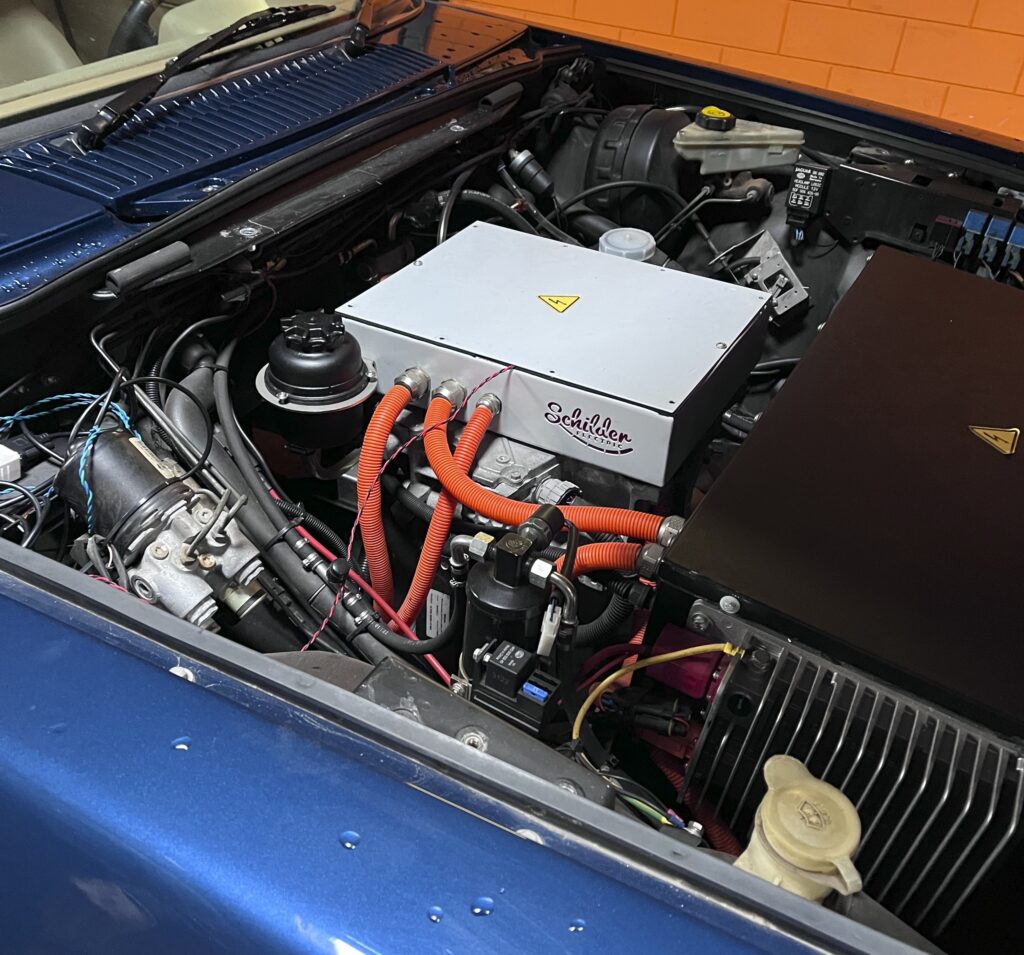
Srdjan (pronounced “Sirjan”, btw) has experience with the Dutch RDW but not the German TÜV. He co-operates with Schilder Electric and the EMUS BMS, an advanced Lithuanian lithium battery management system used by many conversion companies.
Researching further, I found that Schilder Electric has not undergone a TÜV Inspection, yet. I went ahead and contacted one German conversion company that I had abandoned before because of their long waiting list. I wanted to know if they can support the TÜV procedures, but they will only do that if I used their components, which is understandable as the one thing the TÜV needs is documentation. I found out about a few other things during the call, but that is for a future post.
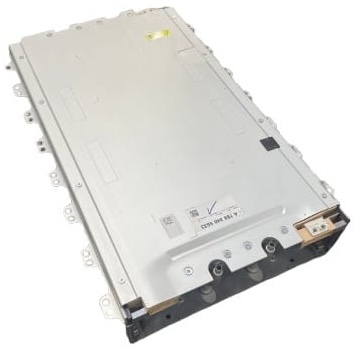
This is the stack of LG 12S 6.85kWh battery modules used by Volkswagen in their MEB electric vehicle platform (VW ID.3, ID.4, ID.5, ID.7, ID-Buzz, Audi Q4 e-tron and Sportback e-tron, Škoda Enyaq and Elroq, Cupra Born and Tavascan, Ford Explorer EV, Ford Capri EV).
The batteries are available in different voltages to enable a smaller number of cells to reach the high voltage needed.The modules have a good size for a classic engine bay (110 x 225 x 590 mm) and a better gravimetric density as they only put 32 kg on the scale.
Finally, I had a good test drive in an electric Jaguar XJS, that was not converted by Srdjan, but he had in his workshop.
A few things did not appeal to me that much: The Schilder metal housing with the BMS and microcontroller, 2 fuses and wiring did not look very professional. And the so-called Potbox, 2 potentiometers, connecting to the pedal, adjusting the power of the engine. It just did not look like automotive quality.
I fully realised, how much I still am very much at the lower end of the learning curve
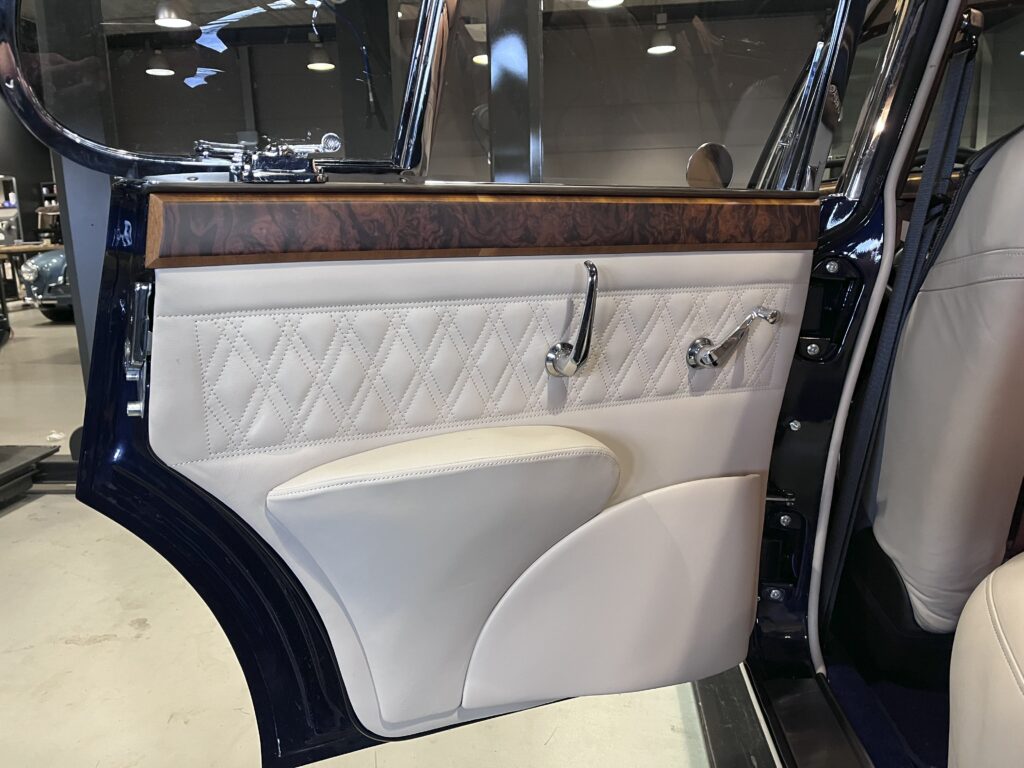
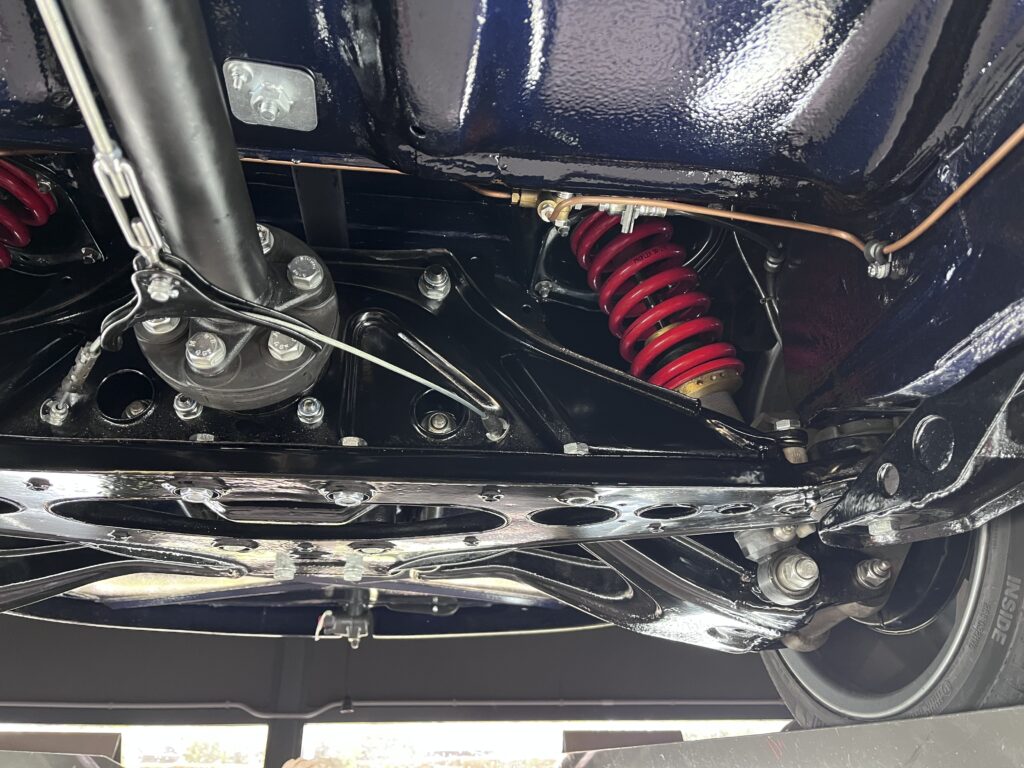
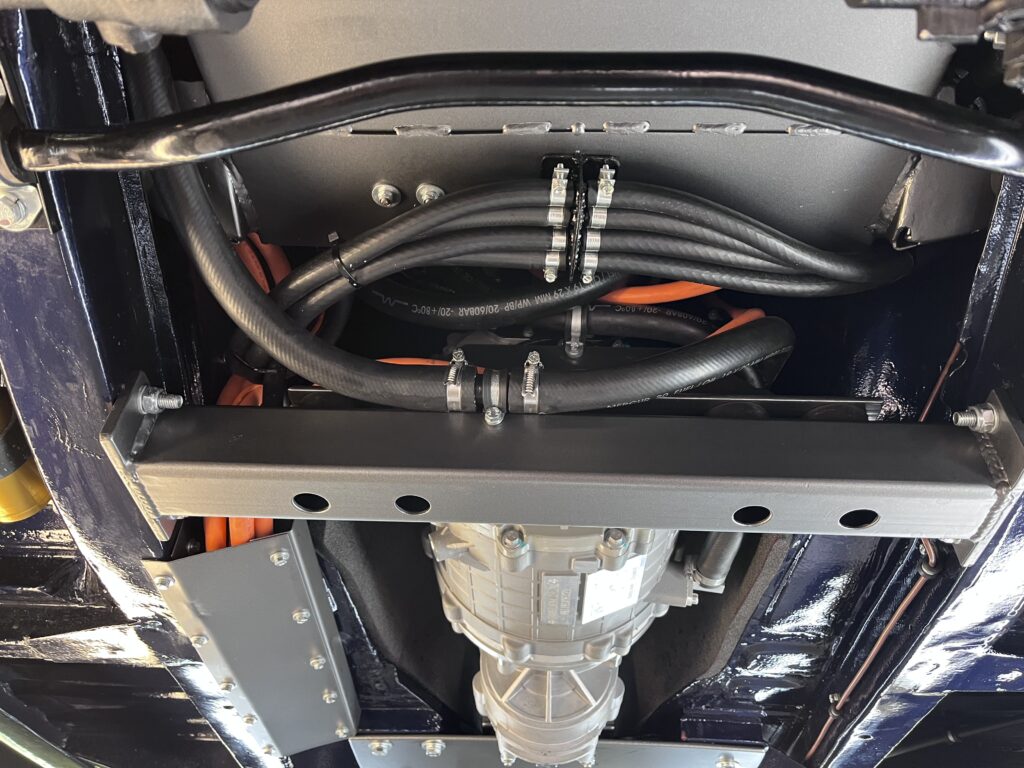
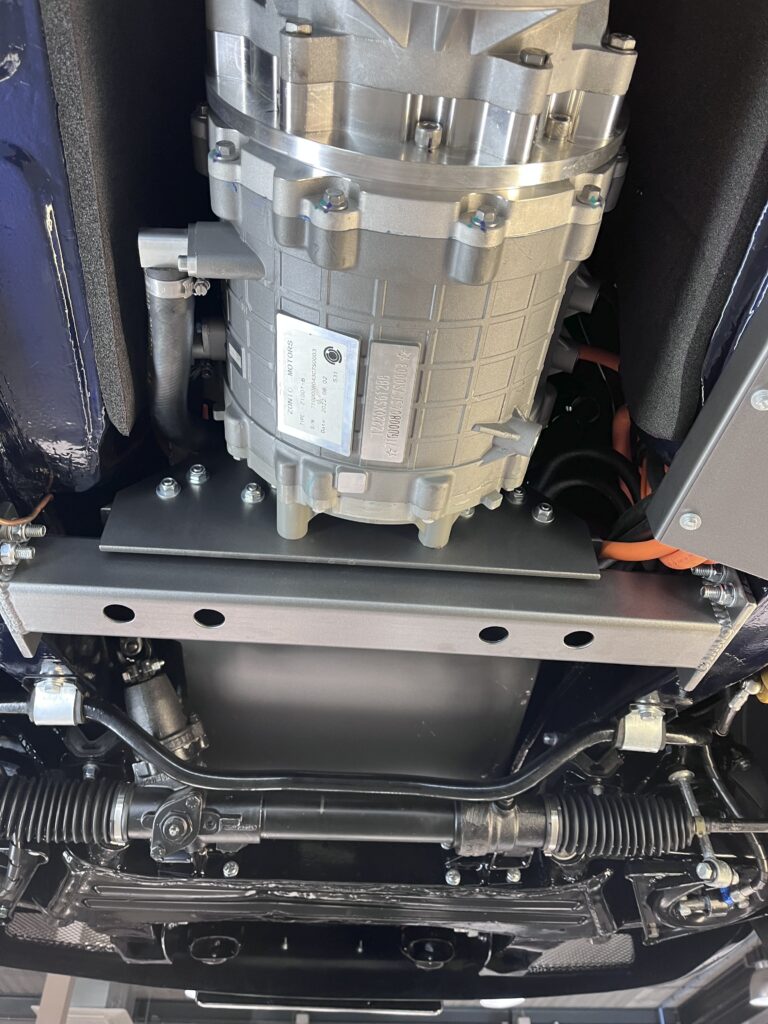
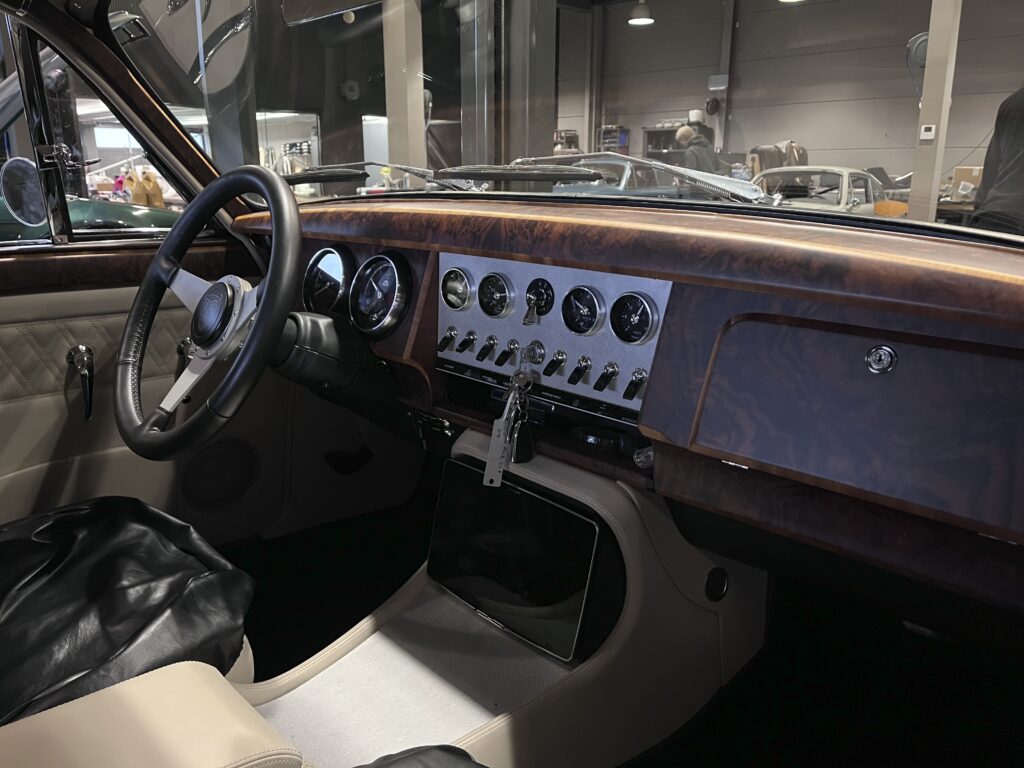
I drove 560 km to Voorschoten, NL, to see Peter of Peet‘s Classics. We had a quick Facetime chat and virtual workshop tour before, but I wanted to see everything in person. Peter had just finished a BEV-conversion of a Mk2 for a client using EV Europe‘s batteries and Zonic motor. The client wanted a modern car in a Mk2 costume: Modern wheels, LED lights, bumpers, seats, interior design, a big screen, new gauges, the rear suspension of an XJ40 – almost nothing was kept with the exception of the car’s overall shape.
Peter used NMC batteries of type CATL/SKI 16S with 11 kWh per module, 16 cells and 58.4 VDC Nominal voltage. 4 modules in front, 2 modules in the back: 6 x 58.4 V = 350.4 V for the HV circuit. The critical factors with these modules are the weight of 53.7 kg and the large dimensions of 638 x 372 x 116 mm. There’s no way to add more than 6 batteries to a Mk2, which gives a maximum capacity of 66k Wh total, approximately 62 kWh net capacity, which will be significantly less than 300 km range in real life.
SKI or CATL 16S
The workshop was impressive! Peter’s knowledge and experience with the restoration of all types of classics, either into 100% original factory condition or restomods of all sorts, his passion for cars and technology – it was a joy to see.
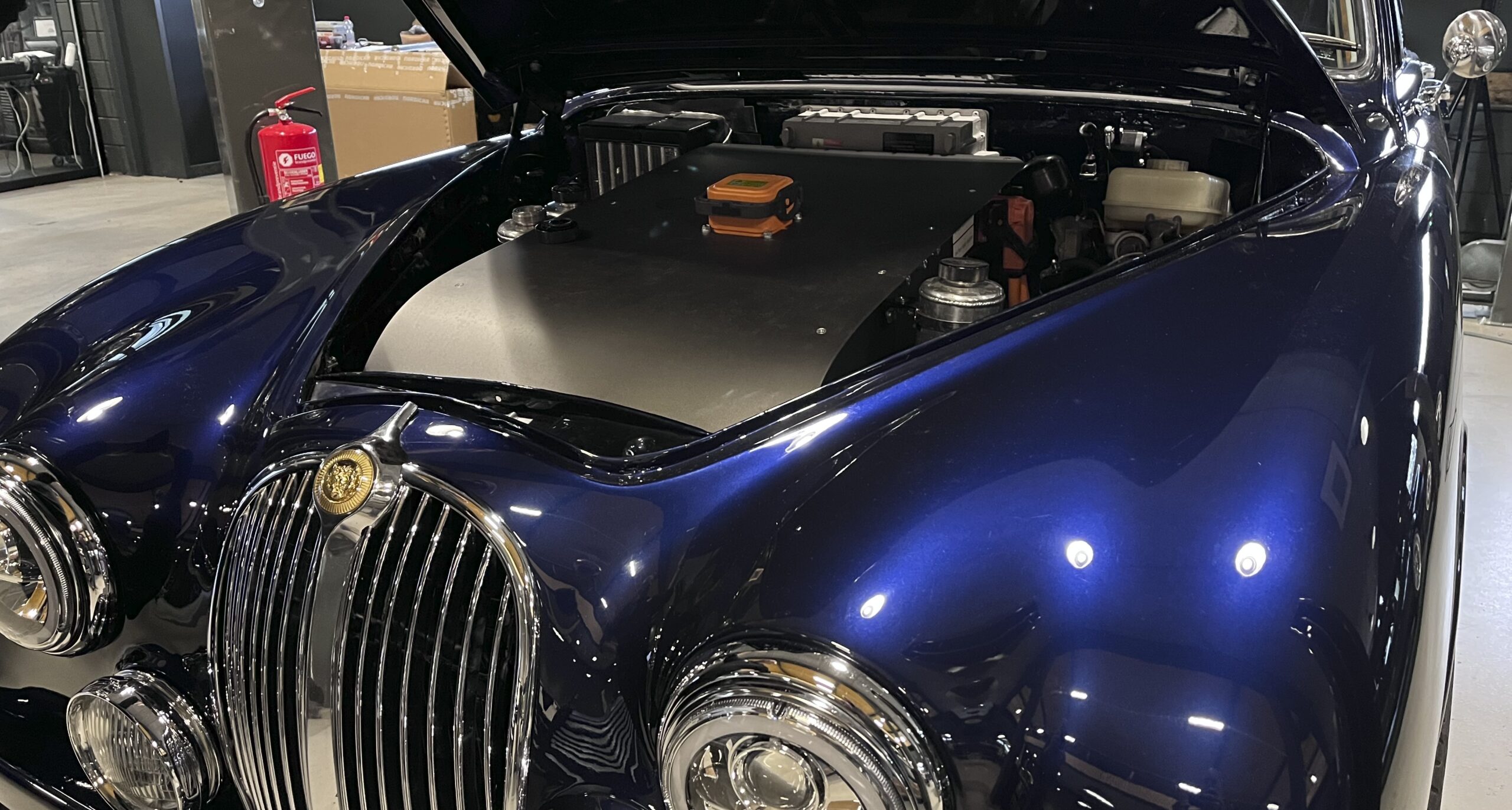
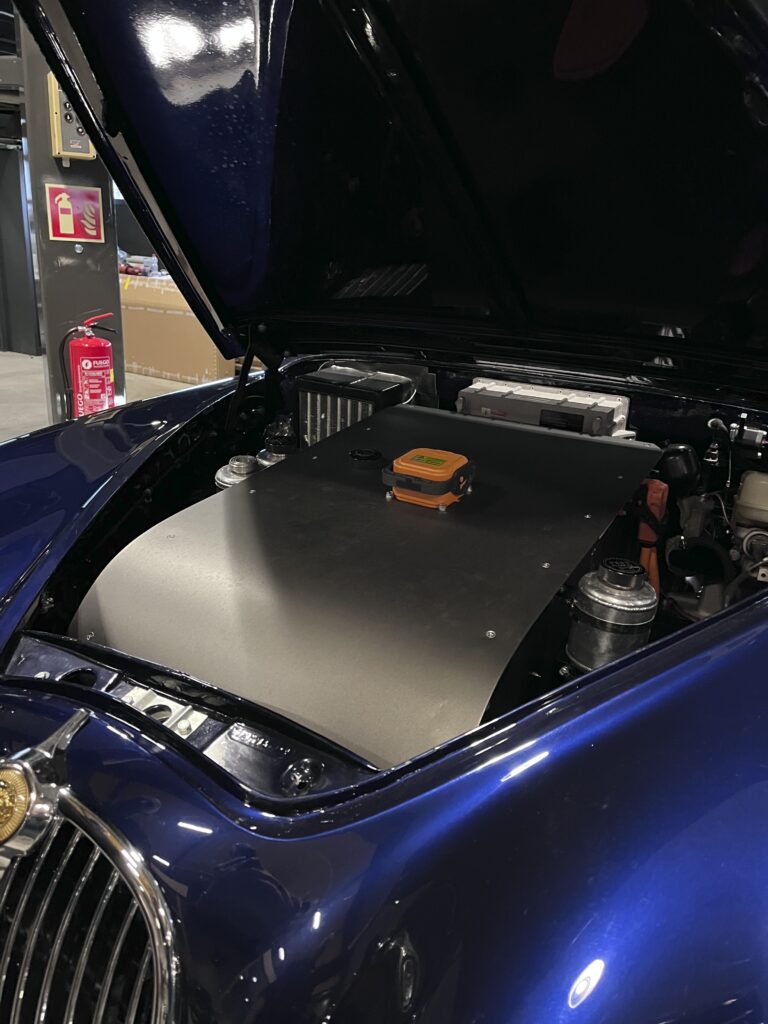
The 4 modules hardly fit into the engine bay. They are stacked on top of each other and enclosed by a custom aluminium powder coated case. The steering had to be modified into servo-supported rack and pinion to fit the pack.
The 2 modules in the back reduce boot space considerably.
A heating will be mounted to the right side (in picture left, unfinished) to the pack, vacuum pump, master brake cylinder and fluid reservoir stay on the driver’s side.
All gauges were converted to modern step-motor versions in retrofit design from speedhut.
Some impressions from Peter’s workshop and the electric Mk2
While we still are very much in the planning phase, the picture is getting clearer, and I am ready to share the concepts.
Specification Overview
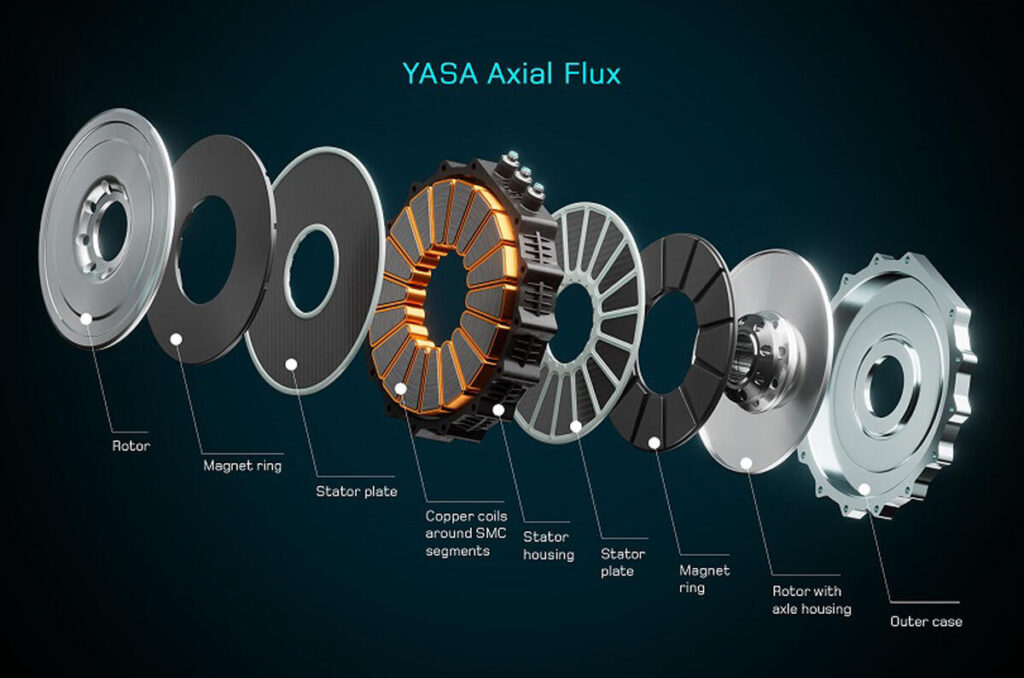
Traction motor: A YASA-type axial-flux PMSM with an output target of 180–200 kW
Battery: 66 kWh nominal capacity, assembled from six NMC modules of 11 kWh each
Charging: 7 kW AC; 70 kW DC via CCS
Driveline: Direct coupling of the motor to the existing propshaft. The intention is to dispense with a fixed gearbox at this location. If required, the differential’s final-drive ratio will be revised.
Chassis and brakes: No suspension or brake modifications are currently planned, on the basis of the intended overall vehicle mass being only slightly increased.
The YASA Motor
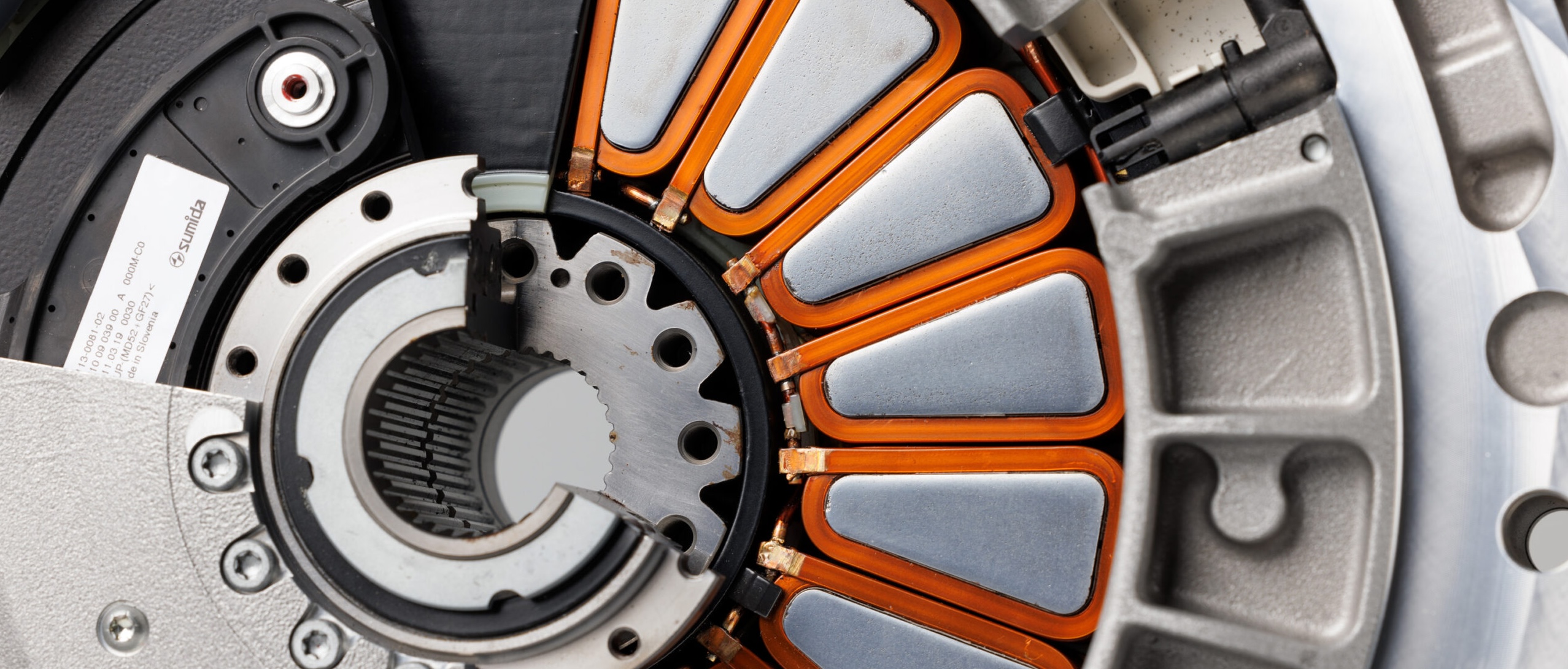
Conventional traction motors are radial-flux machines: The rotor spins inside a cylindrical stator and the magnetic flux crosses the air gap radially. An axial-flux machine inverts this geometry. The stator and rotor are discs, arranged coaxially, and the flux traverses the air gap parallel to the axis of rotation. The consequence is a machine of markedly different proportions – a short, large-diameter ”pancake“ rather than a long cylinder – and, because torque is the product of tangential force and radius, a machine in which the large diameter works directly in favour of torque production. Also, the magnetic field is more dense in areas where the force matters most. YASA (Yokeless And Segmented Armature) refines the axial-flux principle in two respects that matter to this conversion:
The yokeless stator
In a conventional stator, the copper windings are carried on a continuous iron ring, or yoke, which closes the magnetic circuit. YASA’s topology removes this yoke: the stator consists of discrete, magnetically separated tooth segments, each carrying its own concentrated winding, sandwiched between two rotor discs. The magnetic flux path becomes shorter and more direct, and the iron mass of the stator can be reduced. YASA states reductions of up to 80% in stator iron. The machine still contains iron, in the form of the segmented stator cores and the rotor back-iron; what is eliminated is the continuous yoke that would otherwise close the flux path. The shorter flux path reduces iron losses, and the segmented construction allows for short end-windings and a high copper fill factor, both of which improve efficiency.
Image courtesy YASA
The double-rotor arrangement
The arrangement of having a segmented stator sit between two permanent-magnet rotor discs, creating two active air gaps means that both faces of the stator contribute torque.
This symmetric double-rotor arrangement balances net axial forces, however, and this is a primary challenge of the design: Substantial local magnetic forces and mechanical stresses remain, and the bearing arrangement, housing stiffness and assembly tolerances must keep both air gaps small and even.
YASA states that this topology delivers up to four times the torque density of other EV motors. The P400R engine produces 370 Nm of peak torque and 160 kW of peak power at 700 V; the larger 750R produces 790 Nm of peak torque and 200 kW of peak power at 700 V (falling to 100 kW at 400 V) over a speed range of 0–3,250 rpm.
A note on Rare Earths
Current YASA axial-flux motors use permanent magnets that require rare-earth materials.
This is a material-supply constraint of the current permanent-magnet implementation rather than an inherent property of the axial-flux geometry. The supply of neodymium is geographically concentrated (China), and heavy rare earths such as Dysprosium and Terbium, which are added to some NdFeB magnets to avoid de-magnetisation at high temperatures, are subject to both price volatility and export-control risk. The situation is, however, in motion: In August 2026, YASA secured UK Government funding under the DRIVE35 programme for Project Resilience, a research and demonstration programme pursuing two parallel pathways: A heavy-rare-earth-free permanent-magnet machine that dispenses with dysprosium and terbium and is intended to maintain high power density, and a fully rare-earth-free axial-flux design for applications with different performance and cost requirements, both built on the common YASA stator platform.
For this conversion, the motor will be an existing permanent-magnet design, and the rare-earth dependency is accepted as a known constraint of the current state of the art.
Direct Drive to the Propshaft
We really want to avoid any structural changes of the Mk2’s chassis to not risk road legality issues with the car’s conversion in Germany. This requires us to keep the engine in front and use the original propshaft. We will also try to avoid additional fixed gearing between motor an propshaft for efficiency and packaging reasons. If needed, we can change the rear axle’s gear ratio.. The ratio of the reduction gearing in the differential is one of the principal remaining design variables. The feasibility of a single-speed drivetrain depends on the relationship between the motor’s maximum speed, the tyre rolling circumference, the final-drive ratio and the desired road speed. The axial-flux architecture is an attractive packaging candidate for this arrangement: The motor’s short axial length and its high torque at low speed make it well suited to a propshaft-mounted, single-speed installation. Installation clearances and coupling geometry remain to be confirmed. The original powertrain’s torque at the propshaft — engine torque multiplied through the gearbox — provides the appropriate comparison point for the new installation; the coupling arrangement and the propshaft’s universal joints will require verification.
Battery layout: Six NMC modules
The traction battery comprises six modules of 11 kWh each, for a nominal 66 kWh, with four modules installed forward and two modules aft. The design intent is that the finished vehicle’s mass should differ from the donor’s only marginally, and the mass distribution will be improved.
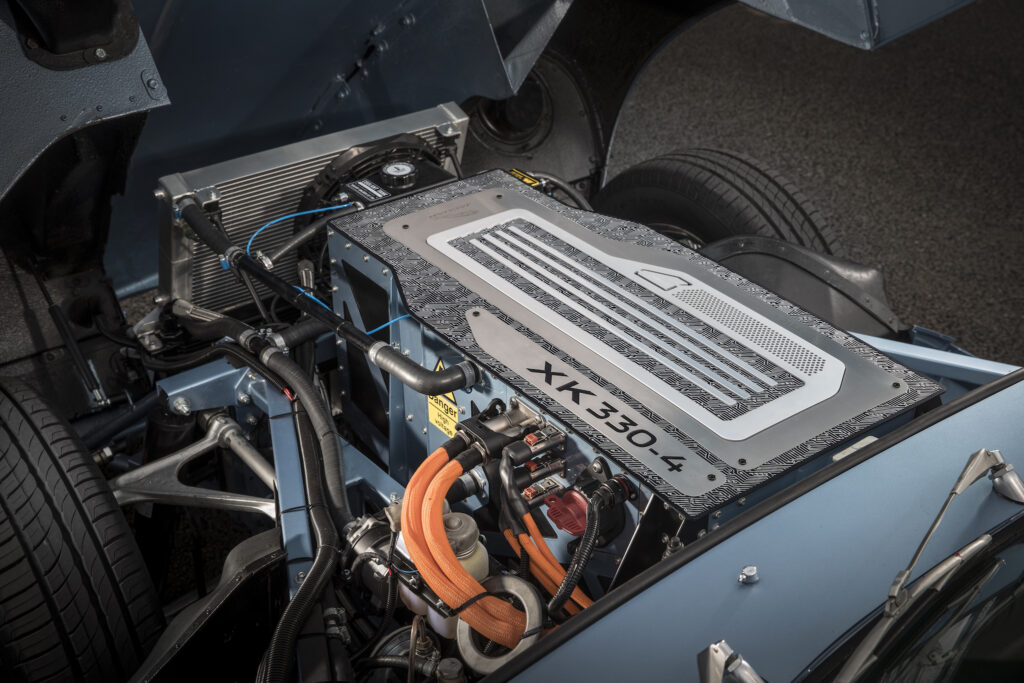
Jaguar E-Type battery kit from 2017
Why NMC
The selection of Nickel-Manganese-Cobalt oxide (NMC) modules, rather than the Lithium-Iron-Phosphate (LFP) chemistry that increasingly appears in mass-market electric vehicles, is a consequential engineering decision. The essential trade is between energy density and a set of competing advantages. NMC generally offers higher gravimetric and volumetric energy density, while LFP offers competing advantages in thermal stability, cycle life and cost.
For a conversion in which the available volume is fixed by the vehicle’s structure, the higher energy density of NMC permits a larger installed capacity within those constraints.
The mass-neutrality objective of this project contributes as well to the decision.
Charging
The charging architecture is conventional. AC charging at 7 kW permits a nominal full charge of the 66 kWh pack in approximately 9.4 hours, before charging losses; practical charging time will depend on the installation.
DC will charge at 70kW or more. The 10-to-80-per cent charging time can only be estimated as it needs assumptions on the pack’s thermal management and the battery management system’s calibration.
Retaining suspension and brakes
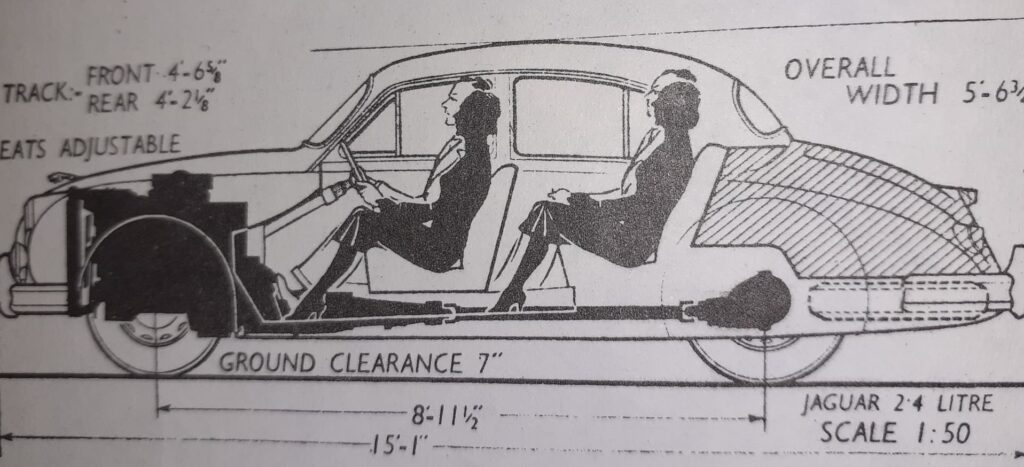
No modifications to the suspension or the brakes are currently planned. The rationale is the mass-neutrality target: The donor vehicle’s kerb weight, approximately 1,500 kg for the 3.4 and 3.8-litre cars, is to be preserved, give or take, by the removal of the engine, gearbox, exhaust system and fuel tank, and their replacement with an electric motor, battery pack, power electronics and the associated cabling and cooling. A detailed mass calculation is to follow, but the design target is no more than 100kg extra weight.
We are keeping in mind that due to energy recuperation of a BEV, the duty cycle imposed on the friction brakes is significantly reduced.
If the final specification and calculations suggest brakes and suspension changes, I am prepared to carry these out as well.